Chicken and Vegetable Miso Soup
Highlighted under: Holistic Healthy Cooking
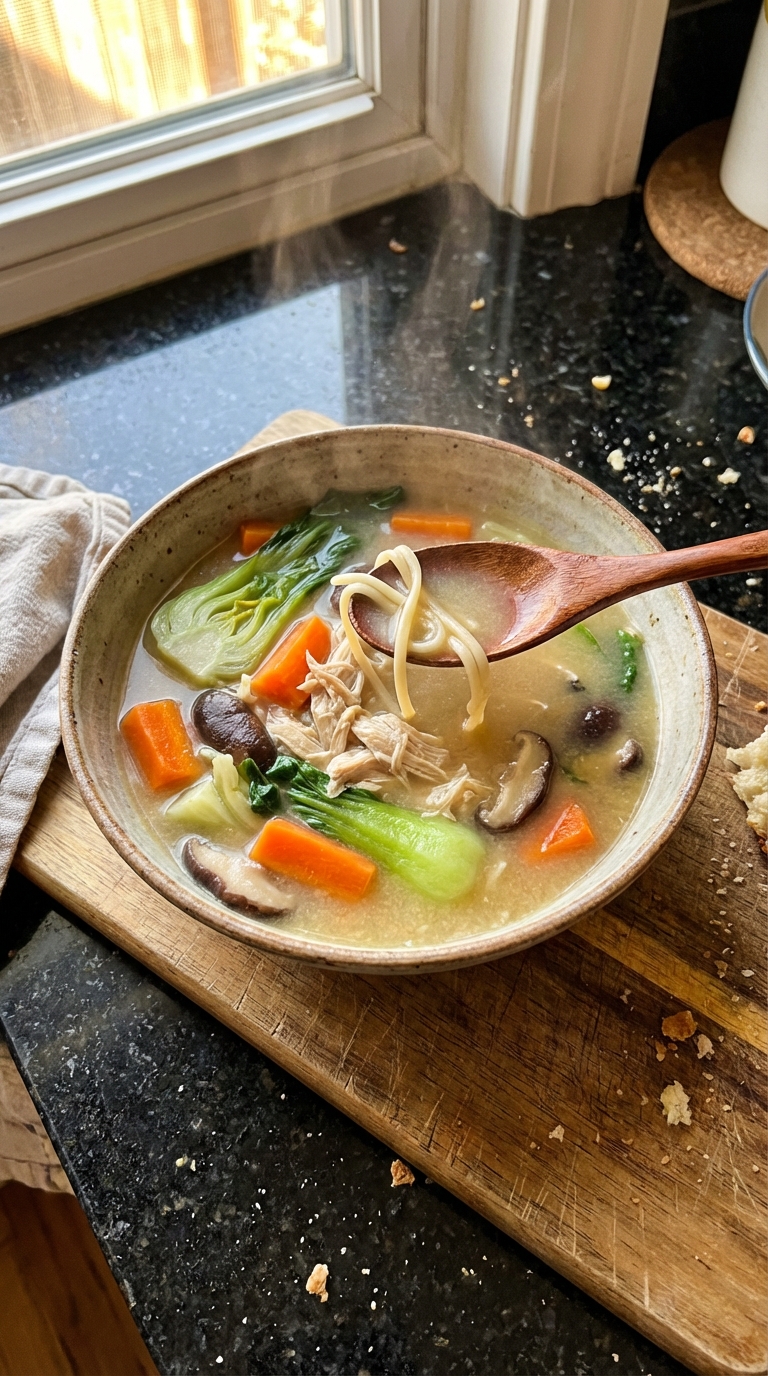
I love making Chicken and Vegetable Miso Soup, especially on chilly days when I crave something warm and comforting. This recipe has become a go-to for me because it combines tender chicken with flavorful vegetables in a savory miso broth. Each bite is a burst of umami that lifts my spirits. Plus, it’s incredibly easy to whip up, making it perfect for busy weeknights. With just a handful of ingredients, I can create a nourishing bowl of soup that delights my family and friends.
I first stumbled upon Chicken and Vegetable Miso Soup during a cooking class, and it has since become a cherished recipe in my kitchen. The rich miso flavor balances beautifully with the fresh vegetables and tender chicken, creating something truly satisfying. I believe the secret is allowing the chicken to simmer gently in the broth, which keeps it juicy and infuses the soup with a wonderful depth of flavor.
What I adore most about this soup is its versatility. You can add any vegetables you have on hand, making it a fantastic way to use up leftovers or seasonal produce. On days when I have extra time, I even like to make my own dashi broth for a more authentic taste. However, a good-quality store-bought dashi does the trick perfectly as well!
Why You'll Love This Recipe
- Nourishing and packed with wholesome ingredients
- Umami-rich miso broth that warms the soul
- Quick and easy to prepare, perfect for any weeknight
- Versatile recipe that adapts to your favorite veggies
Understanding Miso in Your Soup
Miso paste plays a crucial role in this soup, contributing depth and a distinctive umami flavor profile. The type of miso you choose can significantly alter the taste; white miso is milder and sweeter, while red miso is stronger and saltier. Experimenting with different varieties can tailor the soup to your liking. When mixing miso with hot broth, ensure it cools slightly to prevent overheating, which can impair its beneficial properties.
Incorporating miso introduces not just flavor but also health benefits, as it contains probiotics that can aid digestion. Adding it at the end of cooking helps retain these live cultures. Remember, adding miso earlier in the cooking process diminishes its flavor and health benefits—timing is essential!
Choosing the Right Vegetables
This Chicken and Vegetable Miso Soup is versatile, allowing you to incorporate a variety of vegetables based on what you have on hand. If you don’t have bok choy, substitute with spinach or kale—just add these leafy greens a bit later to avoid overcooking. Similarly, green beans or zucchini can replace snap peas for a different texture and flavor, adding vibrant colors to your bowl.
When slicing your carrots, aim for uniform thickness to ensure they cook evenly. Cutting them into thin coins or julienne strips will help them soften in the few minutes they’re cooked. Colorful vegetables not only make the soup visually appealing but also enhance its nutritional profile, making each bowl a nourishing delight.
Storage and Serving Suggestions
If you have leftovers, store them in an airtight container in the refrigerator for up to 3 days. When reheating, do so gently on the stove over low heat, as boiling can make the chicken tough and reduce the broth's beautiful flavors. Add a splash more sesame oil or a few fresh vegetables when reheating to rejuvenate the soup’s taste and texture.
For a heartier meal, serve your soup over cooked rice or noodles instead of on its own. Toppings such as toasted sesame seeds or a sprinkle of chili flakes can elevate the umami experience and add a delightful crunch. If you want a spicy kick, consider adding sliced jalapeños or sriracha for an extra layer of flavor.
Ingredients
Soup Ingredients
- 1 lb (450g) boneless chicken thighs, sliced
- 4 cups (960ml) chicken broth
- 3 tablespoons miso paste
- 1 cup (150g) carrots, sliced
- 1 cup (150g) snap peas, trimmed
- 1 cup (150g) bok choy, chopped
- 2 green onions, sliced
- 1 tablespoon soy sauce
- 1 teaspoon sesame oil
- Salt and pepper to taste
Instructions
Prepare the Broth
In a large pot, bring the chicken broth to a boil. Reduce the heat and add the sliced chicken. Simmer for about 15 minutes until the chicken is cooked through.
Add Vegetables and Miso
Stir in the carrots and snap peas, cooking for another 5 minutes. In a small bowl, mix the miso paste with a ladle of hot broth until smooth, then add it back to the pot along with the bok choy, green onions, soy sauce, and sesame oil.
Season and Serve
Season the soup with salt and pepper to taste. Let it sit for a few minutes before serving it hot.
Pro Tips
- For a richer flavor, consider adding a piece of kombu when making the broth and remove it before serving. This enhances the umami profile of the soup.
Scaling the Recipe
This recipe is easily scalable, whether you're cooking for a cozy family dinner or a gathering. To double the recipe, simply double the amount of chicken and vegetables, ensuring your pot is large enough. Keep the proportions of the miso paste and soy sauce consistent to maintain balance in flavor. This adaptability makes it a great choice for meal prep, allowing you to enjoy a warming bowl anytime.
When scaling for larger servings, consider cooking the chicken in batches to ensure it cooks evenly. A larger pot can accommodate more ingredients, but be mindful of maintaining the broth-to-solid ratio to keep the soup flavorful and balanced.
Troubleshooting Common Issues
Occasionally, soups can turn out saltier than desired. If this happens, adding a small potato while simmering can absorb excess salt; simply discard it before serving. Additionally, if your soup feels too thin, consider simmering it uncovered for an additional 5-10 minutes to allow some liquid to evaporate, concentrating the flavors.
For a creamier soup texture, blending a portion of the broth with cooked vegetables can offer a luxurious finish. Using an immersion blender directly in the pot is an efficient method, blending until just creamy to retain some texture and color of the vegetables.
Questions About Recipes
→ Can I use tofu instead of chicken?
Absolutely! Firm tofu works great as a protein substitute for a vegetarian version.
→ How do I store leftovers?
Store any leftovers in an airtight container in the fridge for up to three days. Reheat gently on the stove.
→ What other vegetables can I add?
Feel free to add mushrooms, spinach, or zucchini based on your preferences or what you have available.
→ Is miso soup healthy?
Yes, miso soup can be very healthy as it is low in calories and rich in probiotics, vitamins, and minerals.
Chicken and Vegetable Miso Soup
Created by: The Tastycrafter Team
Recipe Type: Holistic Healthy Cooking
Skill Level: Beginner
Final Quantity: 4 servings
What You'll Need
Soup Ingredients
- 1 lb (450g) boneless chicken thighs, sliced
- 4 cups (960ml) chicken broth
- 3 tablespoons miso paste
- 1 cup (150g) carrots, sliced
- 1 cup (150g) snap peas, trimmed
- 1 cup (150g) bok choy, chopped
- 2 green onions, sliced
- 1 tablespoon soy sauce
- 1 teaspoon sesame oil
- Salt and pepper to taste
How-To Steps
In a large pot, bring the chicken broth to a boil. Reduce the heat and add the sliced chicken. Simmer for about 15 minutes until the chicken is cooked through.
Stir in the carrots and snap peas, cooking for another 5 minutes. In a small bowl, mix the miso paste with a ladle of hot broth until smooth, then add it back to the pot along with the bok choy, green onions, soy sauce, and sesame oil.
Season the soup with salt and pepper to taste. Let it sit for a few minutes before serving it hot.
Extra Tips
- For a richer flavor, consider adding a piece of kombu when making the broth and remove it before serving. This enhances the umami profile of the soup.
Nutritional Breakdown (Per Serving)
- Calories: 320 kcal
- Total Fat: 10g
- Saturated Fat: 2g
- Cholesterol: 65mg
- Sodium: 720mg
- Total Carbohydrates: 20g
- Dietary Fiber: 4g
- Sugars: 6g
- Protein: 28g