Korean Black Bean Noodles Jjajang
Highlighted under: Wanderlust Cooking Creations
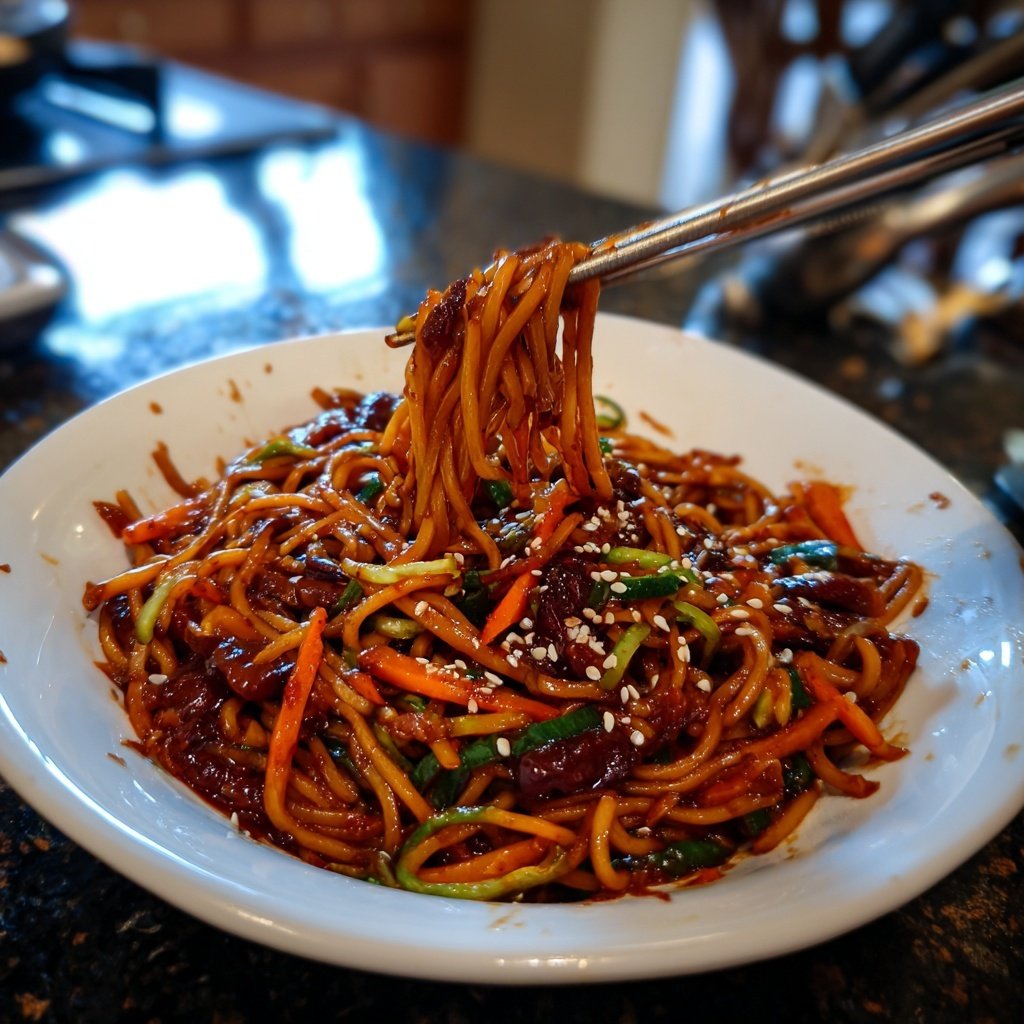
Savor the rich and savory flavors of Korean Black Bean Noodles, also known as Jjajang. This comforting dish features thick wheat noodles coated in a luscious black bean sauce, making it a favorite among noodle lovers.
Jjajangmyeon is a beloved dish in Korea, often enjoyed on special occasions or as a comforting meal. The combination of chewy noodles and the deep, savory black bean sauce makes it irresistible.
Why You Will Love This Recipe
- Deep, savory flavors that are highly addictive
- Chewy noodles perfectly coated in a rich sauce
- Quick and easy to prepare for weeknight dinners
The Essence of Jjajang
Jjajang, or Korean Black Bean Noodles, is more than just a meal; it's a beloved comfort food that evokes feelings of home and nostalgia. Originating from Chinese cuisine, Jjajang has been embraced and adapted by Koreans, leading to a unique dish that combines rich flavors and satisfying textures. The black bean sauce, made from fermented black soybeans, provides a deep umami taste that beautifully complements the chewy noodles and hearty vegetables. This dish is often enjoyed during special occasions and family gatherings, symbolizing togetherness and warmth.
The heart of Jjajang lies in its black bean paste, known as chunjang. This thick, dark condiment is the cornerstone of the dish, delivering a savory flavor profile that is both comforting and addictive. When paired with tender pork, fresh vegetables, and perfectly cooked wheat noodles, the result is a harmonious blend that appeals to the palate. Whether you're enjoying a bowl on a busy weeknight or serving it at a gathering, Jjajang is sure to impress and satisfy.
Customizing Your Jjajang
One of the best aspects of Jjajang is its versatility. While the traditional recipe calls for pork belly, you can easily substitute it with chicken, beef, or even tofu for a vegetarian option. Additionally, feel free to experiment with different vegetables based on seasonal availability or personal preferences. Carrots, bell peppers, or mushrooms can add a delightful crunch and flavor to your dish, making it even more enjoyable.
Moreover, the level of sweetness and saltiness can be adjusted to suit your taste. If you prefer a sweeter sauce, consider adding a bit more sugar or even a splash of mirin. For those who like a bit of heat, incorporating gochugaru (Korean red pepper flakes) or a drizzle of chili oil can elevate the flavor profile and add an exciting kick. The beauty of Jjajang lies in its adaptability, allowing you to make it uniquely yours.
Serving Suggestions
When it comes to serving Jjajang, presentation can enhance the dining experience. Serving the dish in individual bowls garnished with vibrant green onions not only adds color but also freshness. You can also accompany your Jjajang with a side of pickled radishes, which provide a crisp contrast to the rich flavors of the noodles. The tanginess of the pickles balances the dish, making each bite more refreshing.
For a complete meal, consider adding a simple side of Korean kimchi or a light soup. This combination creates a satisfying and well-rounded dining experience, perfect for family dinners or casual gatherings with friends. Whether enjoyed alone or as part of a larger spread, Jjajang is sure to be a crowd-pleaser that brings everyone together around the table.
Ingredients
Gather the following ingredients to make this delicious dish:
Ingredients
- 400g wheat noodles
- 200g pork belly, diced
- 1 medium onion, chopped
- 1 medium zucchini, diced
- 1 medium potato, diced
- 3 tablespoons black bean paste (chunjang)
- 1 tablespoon sugar
- 2 cups water
- 2 tablespoons vegetable oil
- 1 teaspoon sesame oil
- Sliced green onions for garnish
Make sure to have all these ingredients ready before you start cooking!
Instructions
Follow these steps to prepare Korean Black Bean Noodles:
Cook the Noodles
Boil the wheat noodles according to package instructions. Drain and set aside.
Prepare the Sauce
In a large pan, heat vegetable oil over medium heat. Add the diced pork belly and cook until browned.
Add Vegetables
Stir in the chopped onion, zucchini, and potato. Cook until the vegetables are tender.
Mix in Black Bean Paste
Add the black bean paste and sugar to the pan. Stir well to combine.
Simmer
Pour in the water and bring the mixture to a simmer. Cook for about 5-7 minutes until the sauce thickens.
Combine with Noodles
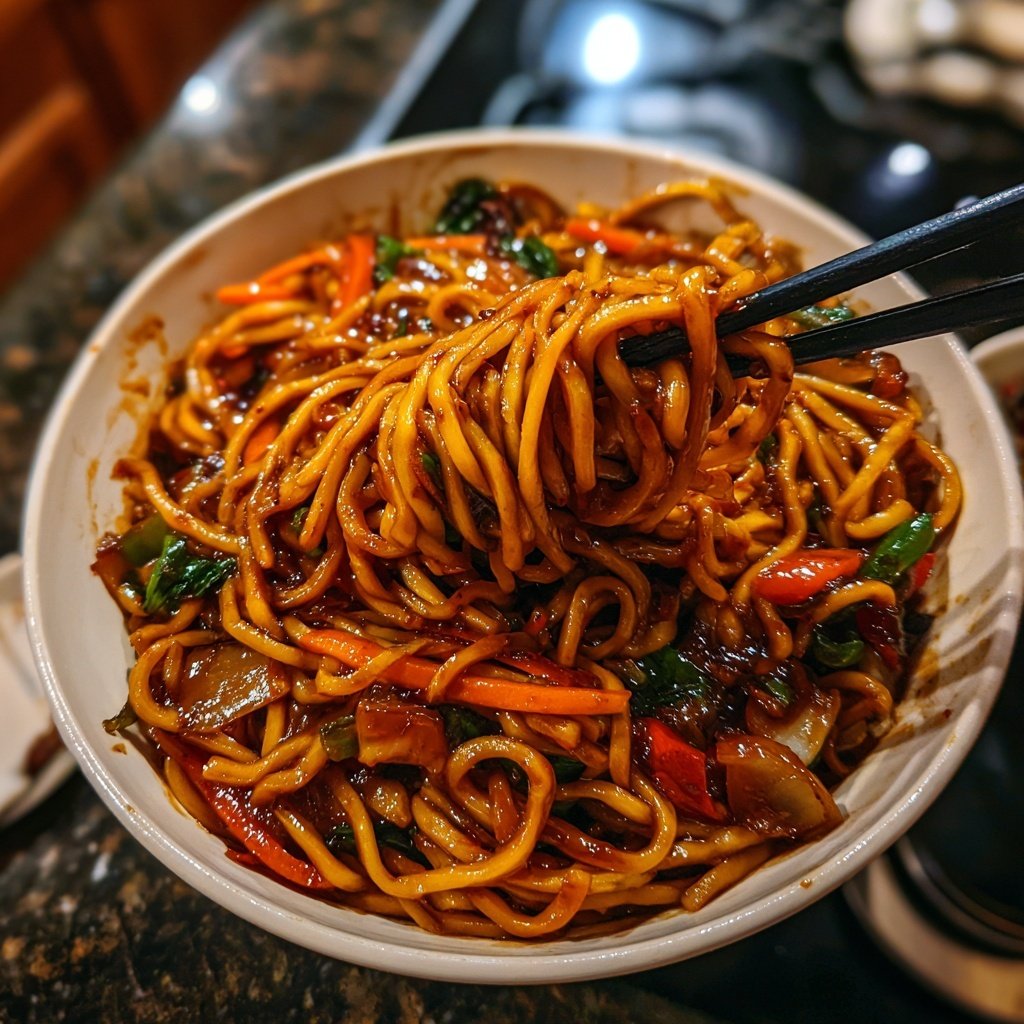
Add the cooked noodles to the sauce and toss to coat evenly. Drizzle with sesame oil.
Serve
Garnish with sliced green onions and serve hot.
Enjoy your homemade Korean Black Bean Noodles!
Pro Tips
- For a vegetarian version, substitute pork with tofu and use vegetable broth instead of water.
Nutritional Insights
Korean Black Bean Noodles, while indulgent, can also be a balanced meal option when prepared thoughtfully. The dish incorporates a variety of ingredients that provide essential nutrients. The pork belly adds protein and healthy fats, while the vegetables contribute vitamins, minerals, and fiber, making the dish more wholesome. By opting for leaner cuts of meat or increasing the vegetable content, you can create a lighter version without sacrificing flavor.
Additionally, wheat noodles are a source of carbohydrates, providing energy for your day. To make your Jjajang even more nutritious, consider using whole grain noodles or adding more greens like spinach or bok choy. These small adjustments can elevate the nutritional profile, making this beloved dish a guilt-free indulgence.
Storing and Reheating
If you find yourself with leftovers or want to meal prep for the week, storing Jjajang is simple. Allow the dish to cool completely before transferring it to an airtight container. It can be stored in the refrigerator for up to three days. When reheating, it's best to do so gently on the stovetop to maintain the texture of the noodles and sauce. Add a splash of water if the sauce has thickened too much during storage.
For optimal flavor, consume your Jjajang within a few days. However, if you want to keep it longer, consider freezing the sauce separately from the noodles. This way, you can enjoy a quick meal anytime by reheating the sauce and preparing fresh noodles when you're ready to eat.
Questions About Recipes
→ Can I use other types of noodles?
Yes, you can use any type of noodles, but wheat noodles are traditional for this dish.
→ Is Jjajang gluten-free?
No, traditional Jjajang contains wheat noodles and black bean paste, which may not be gluten-free.
→ How can I make this dish spicier?
Add a teaspoon of gochugaru (Korean red pepper flakes) for some heat.
→ Can I prepare the sauce in advance?
Yes, you can make the sauce ahead of time and store it in the refrigerator for up to 3 days.
Korean Black Bean Noodles Jjajang
Created by: The Tastycrafter Team
Recipe Type: Wanderlust Cooking Creations
Skill Level: Intermediate
Final Quantity: 4 servings
What You'll Need
Ingredients
- 400g wheat noodles
- 200g pork belly, diced
- 1 medium onion, chopped
- 1 medium zucchini, diced
- 1 medium potato, diced
- 3 tablespoons black bean paste (chunjang)
- 1 tablespoon sugar
- 2 cups water
- 2 tablespoons vegetable oil
- 1 teaspoon sesame oil
- Sliced green onions for garnish
How-To Steps
Boil the wheat noodles according to package instructions. Drain and set aside.
In a large pan, heat vegetable oil over medium heat. Add the diced pork belly and cook until browned.
Stir in the chopped onion, zucchini, and potato. Cook until the vegetables are tender.
Add the black bean paste and sugar to the pan. Stir well to combine.
Pour in the water and bring the mixture to a simmer. Cook for about 5-7 minutes until the sauce thickens.
Add the cooked noodles to the sauce and toss to coat evenly. Drizzle with sesame oil.
Garnish with sliced green onions and serve hot.
Extra Tips
- For a vegetarian version, substitute pork with tofu and use vegetable broth instead of water.
Nutritional Breakdown (Per Serving)
- Calories: 550 kcal
- Total Fat: 22g
- Saturated Fat: 5g
- Cholesterol: 45mg
- Sodium: 800mg
- Total Carbohydrates: 70g
- Dietary Fiber: 5g
- Sugars: 6g
- Protein: 20g